Excel Standard Error For Mac
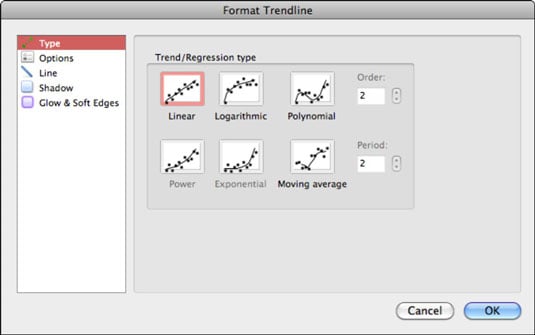
Excel 2011 for Mac: Adding Trendlines, Error Bars to Charts – Excel 2011 for Mac: Adding Trendlines, Error Bars to Charts. In the Chart Layout tab’s Analysis group, click Error Bars to display a pop-up menu where you can choose from standard error, percentage, or standard deviation to.
Excel for Office 365 Word for Office 365 Outlook for Office 365 PowerPoint for Office 365 Excel for Office 365 for Mac Word for Office 365 for Mac PowerPoint for Office 365 for Mac Excel 2019 Word 2019 Outlook 2019 PowerPoint 2019 Excel 2016 Excel 2019 for Mac PowerPoint 2019 for Mac Word 2019 for Mac Word 2016 Outlook 2016 PowerPoint 2016 Excel 2013 Word 2013 Outlook 2013 PowerPoint 2013 Excel 2010 Word 2010 Outlook 2010 PowerPoint 2010 Outlook 2007 Excel 2016 for Mac PowerPoint 2016 for Mac Word 2016 for Mac Error bars in can help you see margins of error and standard deviations at a glance. They can be shown on all data points or data markers in a data series as a standard error amount, a percentage, or a standard deviation. You can set your own values to display the exact error amounts you want. For example, you can show a 10 percent positive and negative error amount in the results of a scientific experiment like this: You can use error bars in 2-D area, bar, column, line, xy (scatter), and bubble charts. In scatter and bubble charts, you can show error bars for x and y values. Note: The following procedures apply to Office 2013 and newer versions.
Add or remove error bars • Click anywhere in the chart. • Click the Chart Elements button next to the chart, and then check the Error Bars box. Hp envy 4500 software download free. (Clear the box to remove error bars.) • To change the error amount shown, click the arrow next to Error Bars, and then pick an option.
What device is used to connect an old mac pro to a tv for a powerpoint presentation?. • Pick a predefined error bar option like Standard Error, Percentage or Standard Deviation. • Pick More Options to set your own error bar amounts, and then under Vertical Error Bar or Horizontal Error Bar, choose the options you want. This is also where you can change the direction, end style of the error bars, or create custom error bars.
Note: The direction of the error bars depends on the type of chart you’re using. Scatter charts can show both horizontal and vertical error bars. You can remove either of these error bars by selecting them, and then pressing Delete. Review equations for calculating error amounts People often ask how Excel calculates error amounts. Excel uses the following equations to calculate the Standard Error and Standard Deviation amounts that are shown on the chart.
This option Uses this equation Standard Error Where: s = series number i = point number in series s m = number of series for point y in chart n = number of points in each series yis = data value of series s and the ith point ny = total number of data values in all series Standard Deviation Where: s = series number i = point number in series s m = number of series for point y in chart n = number of points in each series yis = data value of series s and the ith point ny = total number of data values in all series M = arithmetic mean Add, change, or remove errors bars in a chart in Office 2010. In Excel, you can display error bars that use a standard error amount, a percentage of the value (5%), or a standard deviation. Standard Error and Standard Deviation use the following equations to calculate the error amounts that are shown on the chart. This option Uses this equation Where Standard Error s = series number i = point number in series s m = number of series for point y in chart n = number of points in each series yis = data value of series s and the ith point ny = total number of data values in all series Standard Deviation s = series number i = point number in series s m = number of series for point y in chart n = number of points in each series yis = data value of series s and the ith point ny = total number of data values in all series M = arithmetic mean. • On 2-D area, bar, column, line, xy (scatter), or bubble chart, do one of the following: • To add error bars to all data series in the chart, click the chart area.