Open Seagate For Mac On Windows
The JUA210 supports three viewing modes. With this adapter, you simply load the drivers, plug the adapter into the USB port, plug the VGA monitor cable into the adapter, and you are ready to go. Usb to vga driver download.
May 27, 2014 - Connect the drive to your Mac; Open Applications > Utilities > Disk Utility; On the left hand side of Disk Utility you'll see a list of drives.
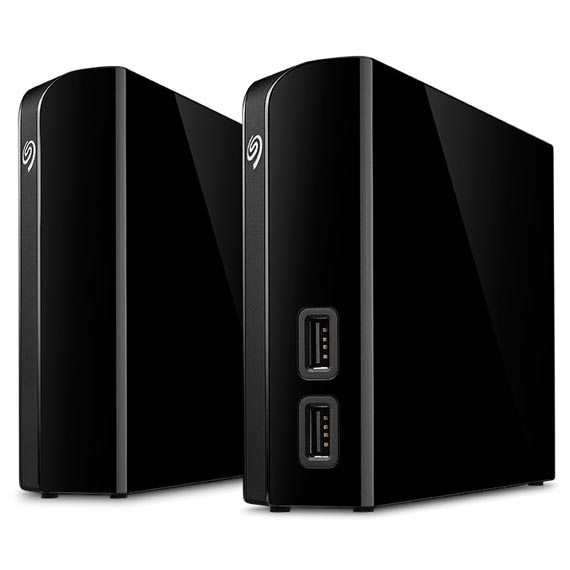
I have a 1TB Seagate Back up Plus external harddrive, and it wont show up in my Mac Pro. The Mac Pro is the 2006 Intel Xeon model running 10.6.8 Snow Leopard. The System requirements for the external HDD are snow leopard or higher, so I don't know why it isn't working.
When I plug in the USB cable into the computer, the HDD starts to spin, but it never shows up in the finder or on the desktop. Also, this HDD works in my MacBook Pro, but not the Mac Pro. If anyone has any useful information, that would be greatly appreciated.
Hello, I seem to be having trouble with this too. But I looked in Disk Utility and the drive won't show up there either. There is no place where I can find my Seagate drive on my Mac (2014 Retina Pro, 10.10.3). It happened when I just jostled the cable a little by accident and I got the error message saying that I didn't properly eject the disk. So I replugged the disk back in all the way and nothing showed up. Over the next week I plugged and unplugged several times but nothing ever showed up or happened. The device's light goes on and I can feel it working, though.
I don't know what to do. I have this same problem, too. For weeks this drive kept giving me occasional error message like 'Disk failed to eject properly, etc., etc.' Even when I didn't even touch it and was still using it! It is one of those Seagate wireless jobs with bluetooth, 500GB. Now it won't work, mount, show up, or even pretend anything on any computer it's connected to.
It doesn't show up in Disk Utility, or my Finder to the left, and I've tried the Hide/Show trick. Can anyone help? I have that little HD packed to its 500GB gills with stuff. I have the same problem as well, it blinks but does not show up anywhere.
I went to check in the System report and it was not there. I have tried using a different cable and connecting it to another computer but neither works. I have some really important things on the drive so I would like to know a way in which I could get it working while still keeping all my previous files. My drive is a Seagate Backup Plus Portable Drive and the model is SRD00F1. If anyone could help me, it would be greatly appreciated as I have been trying for a couple of days. Here's a screenshot of what is shown in the System Report with my drive connected and blinking. If you're a Mac user setting up or erasing this drive up with your computer is super easy follow these steps.
MEmu by Microvirt Co., Ltd. Is a program that allows you to run Android OS on your desktop PC. Even though there is no version of MEmu for Mac available on the developer's website, there are other applications with the same main functionality you can use instead. Find the best programs like MEmu for Mac. 3 alternatives to choose: BlueStacks App Player, Nox App Player and Andy OS. Memu simulates previous versions of the Android operating system (Lollipop and KitKat, with more on the way). It does this on other, desktop operating systems, meaning you can. Android Emulator is a x86 emulator software to simulate Android OS on PC. It provides native user experience of Android OS, allows you to install, use and uninstall any Android application Android Emulator runs at desktop OS like Windows, Linux or Mac, but simulates a sandbox of Android OS. Memu emulator review mac.
Plug in the the drive 2. Open up disk utility found in your applications folder inside the utilities folder 3. Next select the newly plugged in a drive and on the right-hand side you should see partition click on that. Then inside that screen on the partition layout drop-down choose how many partitions you'd like to set up. I generally go with one partition and just use folders to organize my files. Then on the right-hand side you can name the partitions and select the format. If you are transferring video files I highly recommend you choose Mac OS Extended (If you want to use it with Time Machine this is the choice you need to make) as it can handle files over 4GB.
Sometimes it's good to make two partitions and one using 'MS-DOS fat' or 'ExFat' if you might be transferring files to and from a Windows machine. The reason is Windows machines and Macs can read and write to the 'MS-DOS fat' format but your files will need to be under 4 GB each as that's the maximum file size it can handle.*** 6. One thing you need to do though when you re-formatting the drive is go to the option button under partition In the disk utility application. You need to select GUID partition table. That way it will be bootable by Mac OS.7. Then click apply and your Mac will create all the partitions you wanted and you're good to go. *** The ExFat format is new to Mac OSX 10.9 Mavericks and doesn't have a 4gb file size limit the 'MS-DOS fat' or Fat32 does but not all devices like cameras & digital devices can't read or write to it.