What Is The Operating System For Mac Before Sierra
• • • The history of, 's current originally named Mac OS X until 2012 and then OS X until 2016, began with the company's project to replace its. That system, up to and including its final release, was a direct descendant of the operating system Apple had used in its computers since their introduction in 1984. However, the current macOS is a operating system built on technology that had been developed at from the 1980s until Apple purchased the company in early 1997. Although it was originally marketed as simply 'version 10' of the Mac OS (indicated by the 'X'), it has a completely different from Mac OS 9, as well as substantial changes to its user interface. The transition was a technologically and strategically significant one.
High Sierra is the latest operating system (OS) designed by Apple. For those who may not be familiar with the technical terminology, an operating system is both the heart and brain of your computer. Without an operating system, you have a very expensive piece of glass, plastic, and metal.
To ease the transition, versions through 10.4 were able to run Mac OS 9 and its applications in a. It was first released in 1999 as, with a widely released desktop version——following in March 2001. Since then, several more distinct desktop and server editions of macOS have been released. Starting with, is no longer offered as a separate operating system; instead, server management tools are available for purchase as an add-on.
Starting with the build of, most releases have been certified as Unix systems conforming to the. MacOS has retained the major version number 10 throughout its development history to date; releases of macOS have also been named after (versions 10.0–10.8) or locations in (10.9–present). Diagram of the relationships between Unix systems including the ancestors of macOS After removed from management in 1985, he left the company and attempted to create the 'next big thing', with funding from and himself. The result was the.
As the first workstation to include a (DSP) and a high-capacity optical disc drive, NeXT hardware was advanced for its time, but was expensive relative to the rapidly commoditizing workstation market and marred by design problems. The hardware was phased out in 1993; however, the company's had a more lasting legacy.
NeXTSTEP was based on the developed at CMU (Carnegie Mellon University) and, an implementation of dating back to the 1970s. It featured an programming based on the language.
By default, Word saves all files to your Documents folder. To more easily find and open recent documents, Word displays the last few documents In the Display box, type the number of recent documents to display in the Open Recent list. Note: Setting the number of recent files to zero clears. 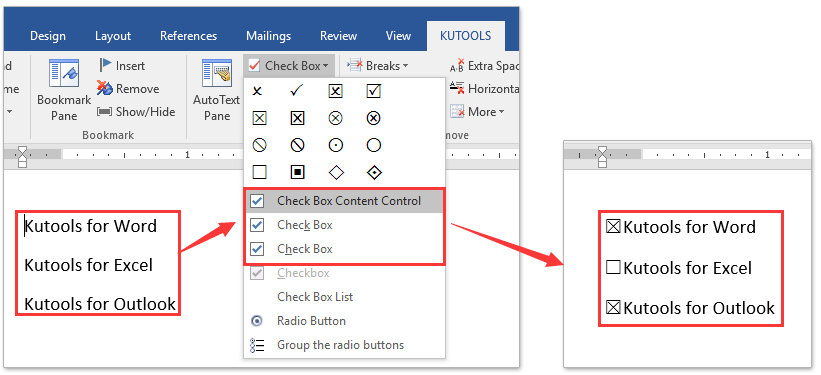
This environment is known today in the Mac world as. It also supported the innovative database access layer and application server development environment, among other notable features. All but abandoning the idea of an operating system, NeXT managed to maintain a business selling WebObjects and consulting services, but was never a commercial success. NeXTSTEP underwent an evolution into which separated the object layers from the operating system below, allowing it to run with less modification on other platforms.