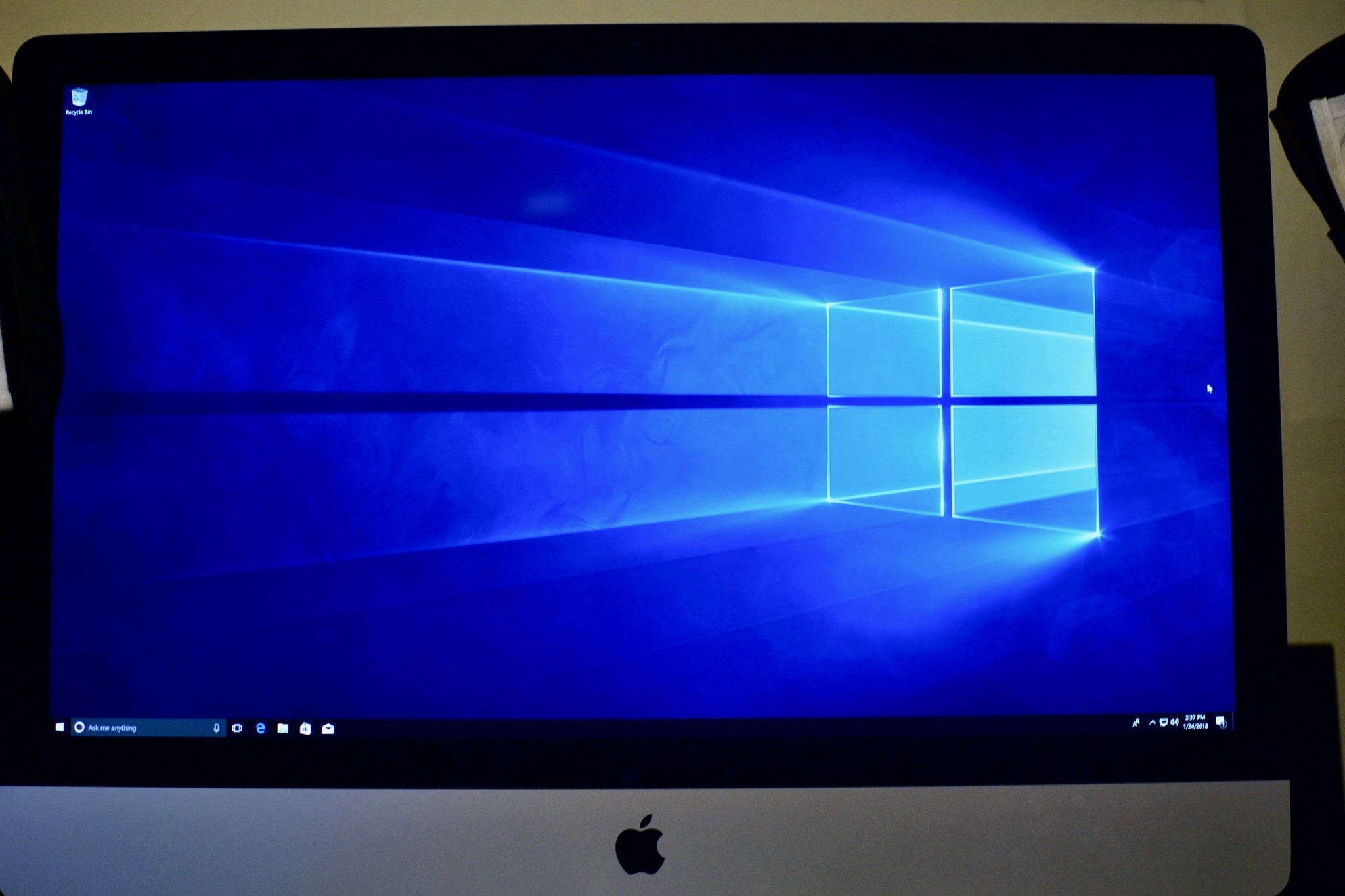
Windows Creators Or Windows Anniversery For Parallels Mac
As Mac users, it’s easy to turn our noses up at running Windows, but the truth is that it sometimes can’t be avoided. Be it for work or for playing video games, running Microsoft’s operating system on Apple hardware isn’t nearly as hard as it seems like it would be. There are two main ways to go about this: virtualization and Boot Camp. The former involves running a macOS application that allows you to run Windows within, while the latter equips you to reboot your Mac fully into Windows.
There are several factors involved in picking the correct path, including price, ease of use, and flexibility. It’s also important to consider what sorts of tasks you need to achieve with your Windows installation, as that may make the right decision more clear. If you need access to a couple of Windows apps while you’re running macOS, it’s best to virtualize. Running Windows in a virtual machine (dubbed a “VM”) also allows you to store it all on something like an external SSD, as Boot Camp requires a chunk of your boot drive. For that trade, Boot Camp offers direct, native access to your Mac’s hardware. If you want to game in Windows on your Mac, it’s the way to go. Available Now: Our brand-new course for Things 3 Virtualization Apps There are three virtualization apps worth considering.
And are very similar options. Neither are free, but they come with great customer support if you need help: • Parallels runs anywhere from $79.99/yr to $99.99/yr,. That subscription means your software is always up to date, ready for new versions of both macOS and Windows. • Fusion follows a more traditional model.
For a new license, while an upgrade license will set you back just $49.99. The third option is, an open-source (and free) option.
While there is a vibrant online community around this application, if you are virtualizing Windows for work, I think it’s more than worth the price of admission to pick up Parallels or Fusion. Parallels is the best way to run Windows on your Mac. It offers lots of flexibility when it comes to which operating systems it can run and it offers a customizable experience to make it your own.
The tool, which officially supports Windows 10, will create a bootable USB installation media of the operating system, adding the necessary drivers for your Mac in the process.
Set-up & Settings Installing Windows 10 from an.iso downloaded directly from Microsoft’s store took just a few minutes. While most people will probably be installing Windows, Parallels can host all sorts of operating systems: You can install Windows from an ISO, as I did, or even download a trial of Windows from Microsoft within the application. Dropbox for mac doesn't show checkmark. Additionally, Parallels can download a bunch of Linux distros and even download Modern.IE virtual machines, which are helpful when you need to test websites in old versions of Internet Explorer. Parallels can transfer information from an existing PC, including that computer’s operating system.
You can boot your Boot Camp partition as if it were a VM. For my purposes, I installed the 64-bit version of Windows 10. After installation, I was prompted to create a Parallels account. This ties the app to Parallels’ website, keeping your license keys and subscriptions updated. After logging in, I was greeted with my Windows 10 VM: There are a whole bunch of settings that can be tweaked. Things like how much RAM is allocated to the VM and what sort of network access it has can be adjusted.
You can grant access to hardware like your Mac’s SD card slot, USB ports, and more as needed. Parallels comes with a bunch of creature comforts too, though. It can automatically share the contents of your Mac with the VM and vice versa. This means if you create a text file and save it to your Desktop, it will appear on the desktop of your macOS virtual machine: It can open Mail.app on your Mac if you click an email link within the VM itself, and even automatically pause the VM when you aren’t using it, giving macOS more resources when possible.
• Enter the create partition primary command and press Enter to complete the process. Create a bootable usb drive on mac for windows. • Type the convert GPT command and press Enter. This convert master boot record to new GPT. Quickly create a macOS bootable USB on Windows Now make bootable USB using the TransMac software (follow instructions that are given above).
Parallels can even sync your clipboard across your Mac and its VMs and add your printer to your VM’s operating system automatically. For those of us with macOS shortcuts engrained into our hands and brains, Parallels can pass those to your VM so you don’t have to hit Ctrl + C to copy when you are used to Cmd + C. If you want your VM to be completely isolated from its host Mac, you can enable that, too. Coherence Mode The integration between host is even visual with Parallels. Running Windows apps can appear in your macOS dock, for example: By default, Parallels VMs are in their own windows, but in Coherence mode, the lines are blurred. Here’s Finder and File Explorer, side by side, for example: There’s no Windows background anymore. My Windows apps still look like Windows, but they operate like macOS apps.