Name Manger In Excel For Mac
Excel Named Range Add-in Manager This Excel Add-in will allow you to easily and quickly create and manage all Excel named ranges and constants. You can delete all redundant or broken names, create named constants, dynamic named ranges (ideal for charts and Pivot tables), create Worksheet level names, consecutive named ranges and more. If you work with Microsoft Excel ® Spreadsheets you are no doubt aware of the benefits of using named ranges as opposed to range addresses.
Where has the Name Manager for Mac (Excel 2016) gone? I have imported work done earlier on a Windows platform and now need to work with the named ranges.but cannot find a way to access the Name Manager. By Diane Koers. If you’ve created a number of range names in an Excel 2010 worksheet, you can use the Name Manager to work with these names. The Name Manager provides a list of all names assigned in the current workbook, and you can filter, modify, or delete them as needed.
For example =SUM(Year_2005_Figures) is much better than =SUM($A$2:$D$5000). The use of named ranges also means you can get to the named ranges very quickly and easily. Unfortunately most Excel users don't get past using named ranges in this manner and realize their full potential.
I created a virtual machine of CentOS 6 minimal installation in VirtualBox. The intention was to use it as a basis for other VMs. An important note: remember to check “Reinitialize the MAC address of all network cards” in the first screen. Otherwise, the clone and original have the same MAC address. Recommendation for reinitialize the mac address of all network cards when making a virtualbox clone. The result of not reinitializing the MAC addresses is that both VMs will have virtual Ethernet cards with the same Ethernet (MAC) address. If both VMs are ever run at the same time while connected to the same Ethernet, then they and the other machines (real or virtual) connected to the same Ethernet.
With the Excel Named Range Manager you will be able to realize the full potential of named ranges. • • • • • • • • • • • All feature are extremely easy to use. No help file like a phone book, just to-the-point explanations. The code behind the Excel Add-in will guide you through any steps.
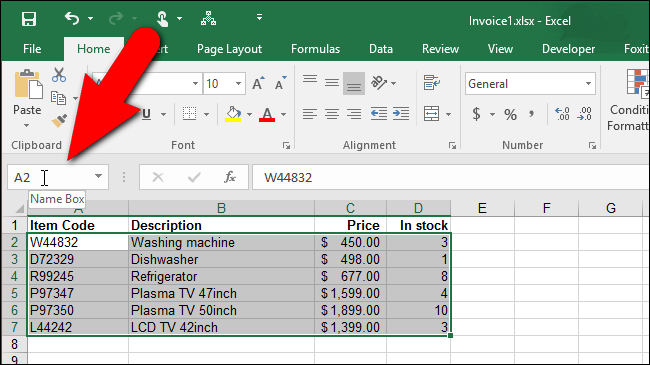
Name a cell • Select a cell. • In the Name Box, type a name. • Press Enter. Define names from a selected range • Select the range you want to name, including the row or column labels.
• Select Formulas > Create from Selection. • In the Create Names from Selection dialog box, designate the location that contains the labels by selecting the Top row, Left column, Bottom row, or Right column check box. Excel names the cells based on the labels in the range you designated. Use names in formulas • Select a cell and enter a formula.
• Place the cursor where you want to use the name in that formula. • Type the first letter of the name, and select the name from the list that appears. Or, select Formulas > Use in Formula and select the name you want to use. • Press Enter. Manage names in your workbook with Name Manager • On the Ribbon, go to Formulas > Defined Names > Name Manager.
You can then create, edit, delete, and find all the names used in the workbook. Need more help? You can always ask an expert in the, get support in the, or suggest a new feature or improvement on.