
Windows 7 Parallel For Mac
10/4/10 @ 10:41 am You don’t need to uninstall Parallels and is Windows 7 partition to use Boot camp. I have both going. If you want to remove a virtual machine, just look in the Parallels help under “Removing a Virtual Machine” and it lists a few options.
Parallels 7 is a fast, stable, and highly customizable way to virtually run Windows on a Mac. Parallels Desktop for Mac Build 5608 added support for guest Parallels Tools for Linux in the latest Linux distributions (including Ubuntu 8). It also added support for running 3D graphics in Windows 7 and Windows 8 automatically optimised for best experience on Retina. Parallels Desktop notifications.
You can also look in their help under “Removing Parallels Desktop” for uninstall instructions. However, if you simply remove the virtual machine and leave Parallels installed, you can then use Parallels to run your Boot camp partition when you want. So you can have one install of Windows and access it either by rebooting into it, or running Parallels inside of Mac OS. The best of both worlds.
3/5/12 @ 9:05 am I have a new iMac with Parallels and Windows 7 installed on it I have a large Kyocera printer and I needed Parallels so I could stay with the same features that I am used to. Everything seemed to be working fine until Windows 7 had some updates that came and now my printer doesn’t do all of the things that it used to to do (like making a booklet, folding and stapling) I want to uninstall Windows 7 and re-install again, hoping that this will correct the problem. How do I do this? Should I also uninstall Parallels and how do I do this?
No, your computer will be fine, and performance will be fine, but there's a little fun involved. Uses a technology called to run another OS–in this case, Windows–using a combination of hardware and software to create a 'virtual machine' that acts like a computer. Due to a variety of technologies that exist,, and can be used for gaming with relatively hit to performance. And no, your computer won't explode, heat management and all that is the same. Unfortunately, there's a catch with Parallels: GPUs. Modern games (such as those you want to play) rely heavily on GPUs to provide good performance.
Games such as these rely on to handle many functions related to GPUs. Currently there are two primary APIs used for games: Microsoft's. Unfortunately, DirectX is exclusive to Windows–thus, games utilizing DirectX are generally Windows exclusive (ignoring consoles.) The games you described use DirectX: thus, they are Windows exclusive. This presents a problem when using Parallels: because it runs a virtual machine, it can't normally perform the low-level calls needed by APIs like DirectX to the GPU. Microsoft outlook crashing on startup.
To get around this, This can result in a somewhat significant decrease in performance, though it may be tolerable. However, recent Intel processors have started shipping with a technology called that allows these low-level calls to be passed through a virtual machine, eliminated the performance hit described earlier. Your Following, you can leverage VT-d within Parallels to run Windows games with very little performance hit. It's quite lengthy, references a few other pages, and generally wouldn't work well if I posted it here like I normally would, so I recommend you read it there.
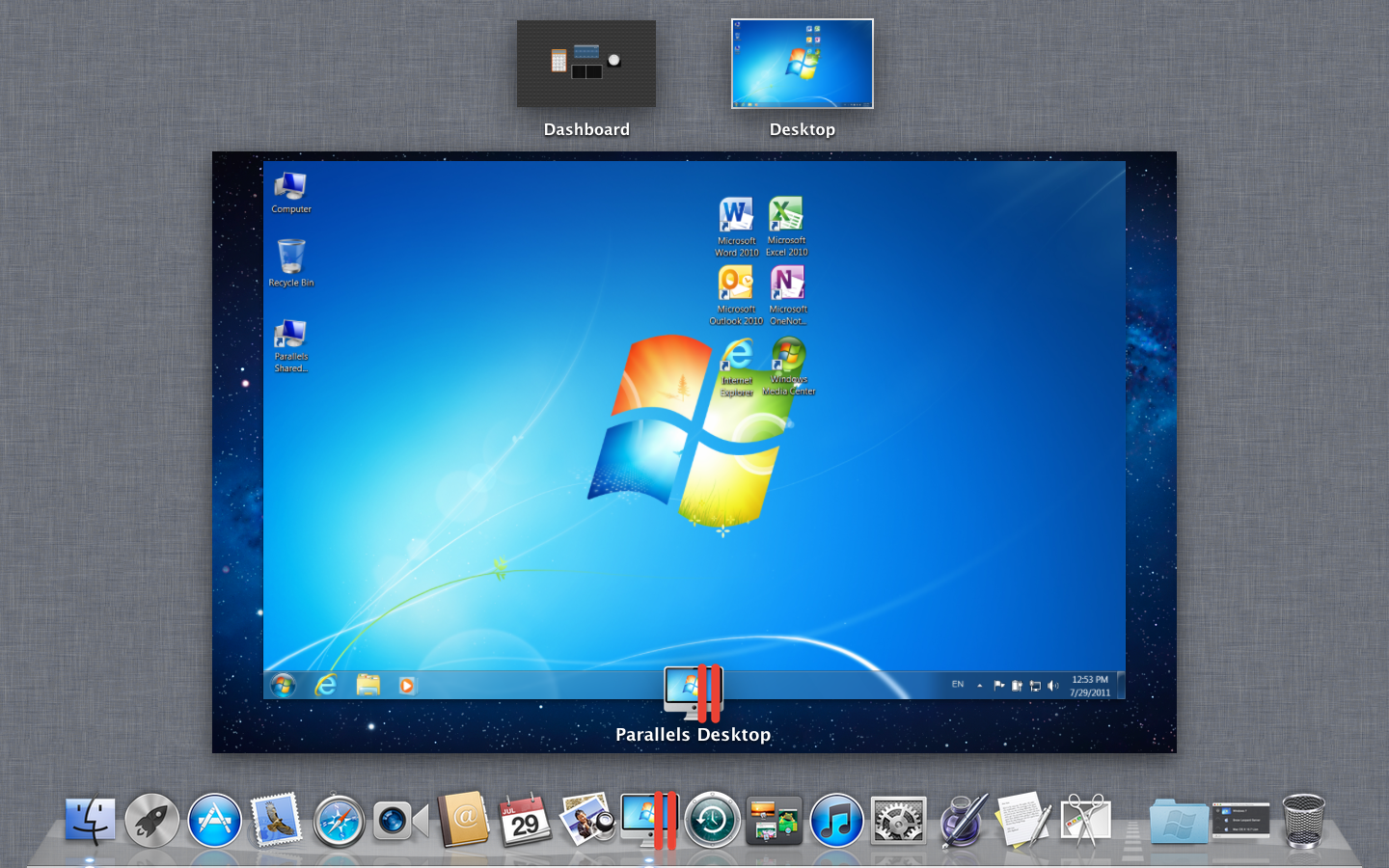
In conclusion, you'll be able to play your games using Parallels just fine with a little bit of work. You will most likely see a performance hit while you are running a virtual machine on your mac. Depending on how much resources you allow the VM to use will have an effect on that. Example: if you use 10gigs of ram for your Win VM and then try to do something heavy on the mac (with only 6 gigs left) you may see a hit. I don't think running Parallels will work your system any greater than other software would, so should not reduce performance or longevity of your laptop. Use and wear is use and wear.
While full of information, the answer from JMY1000 doesn't appear to apply to Parallels Desktop for Mac, but rather Parallels Workstation Extreme, which only runs on Windows and Linux. I'm still digging. It looks like VT-D was an experimental feature in previous versions of Parallels Desktop, so there might be hope.